Records of abuse of boys and men deserve independent examination. Here the Ohio State institutional case and the Epstein male-survivor records are treated as separate lines of evidence, not fused into an allegation about Wexner.
OHIO STATE · VERIFIED INSTITUTIONAL FINDING
177 male students, at minimum
Ohio State's independent Strauss investigation documented extensive abuse and institutional failures. Wexner served on Ohio State's Board of Trustees during years when complaints about Strauss arose. Survivors sought his deposition to examine the university's oversight and what information reached its trustees. The court ordered him to answer questions; the available board materials and his responses require continued examination.
Read the investigation ↗FEBRUARY 2026 · FEDERAL COURT ORDER
What did trustees know?
A federal judge denied Wexner’s motion to block a deposition on February 11, 2026. The court found his testimony relevant to questions about university oversight and ordered it within 60 days. Wexner declared he had no relevant recollection. The order is about discovery, not proof he knew of or participated in abuse.
Read the signed court order ↗JUNE 2026 · SETTLEMENT IN PRINCIPLE
279 plaintiffs and a $100 million agreement
Ohio State trustees approved settlements in principle totaling $100 million with 279 of the 280 remaining Richard Strauss plaintiffs. Plaintiffs’ counsel reported that mediated details were still being finalized. This is institutional civil litigation, not a finding against Wexner personally.
Read plaintiffs’ counsel’s statement ↗EPSTEIN FILES · SEPARATE RECORD
Male survivors in the record
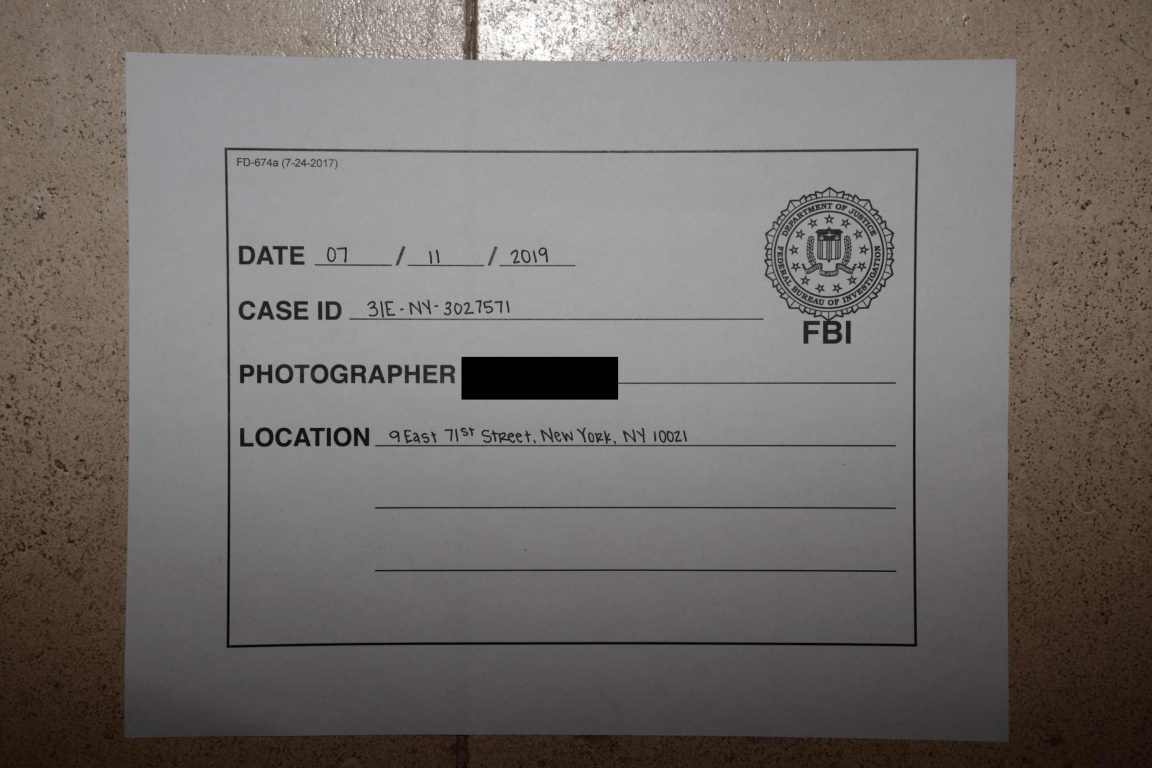
A released FBI intake preserves an allegation involving male minors in Epstein's history. That report is an investigative lead requiring independent verification. Questions about connections to other people remain open, and the identities of protected individuals are not displayed.
Explore What About the Boys? ↗The investigation into boys and male survivors remains open. It examines what university trustees knew during the Strauss years, the extent of Wexner's authority in Epstein's financial affairs, and whether additional testimony or original records establish further connections. The linked sources allow readers to investigate these questions without preemptively dismissing them.